faster_poisson
| Crates.io | faster_poisson |
| lib.rs | faster_poisson |
| version | 1.3.0 |
| created_at | 2025-09-09 04:24:55.516203+00 |
| updated_at | 2025-10-13 01:22:16.705436+00 |
| description | Fast Poisson disk sampling |
| homepage | |
| repository | https://github.com/nubDotDev/faster-poisson-disk-sampling/ |
| max_upload_size | |
| id | 1830261 |
| size | 3,558,819 |
 (nubDotDev)
documentation
README



faster_poisson
This is a library that implements various methods of Poisson disk sampling.
Each method returns a set of points where no two are less than a fixed distance from each other.
Usage
The easiest way to use this library is with the [Poisson2D], [Poisson3D], and [PoissonND] types.
You can generate points all at once with the run method, or lazily with the iter method.
To change parameters like the grid dimensions or minimum distance, [Poisson] uses a fluent interface pattern.
use faster_poisson::{Poisson2D, Poisson3D, PoissonND};

// Sample points from a 6 x 4 grid with minimum distance 0.5.
let poisson_2d = Poisson2D::new().dims([6.0, 4.0]).radius(0.5);
let samples_2d = poisson_2d.run();

// The default side length of the grid is 1.0 and the default radius is 0.1.
let poisson_3d = Poisson3D::new();
let samples_3d = poisson_3d.run();

// For dimensions higher than 3, use PoissonND.
let poisson_4d = PoissonND::<4>::new();
// Points are generated lazily, so this is fast.
let samples_4d_100: Vec<[f64; 4]> = poisson_4d.iter().take(100).collect();
For smaller 2D grids (< 1,000,000 points) it is probably faster to use [PoissonDart2D].
Features
-
gpuUse the wgpu crate to perform Poisson disk sampling on the GPU with [
pixelpie::PoissonPixelPie]. -
plotlyUse the plotly crate to plot distributions with [
plot::plot_2d] and [plot::plot_3d]. -
fourierUse the rustfft crate to generate 2D periodograms of distributions with [
fourier::fourier].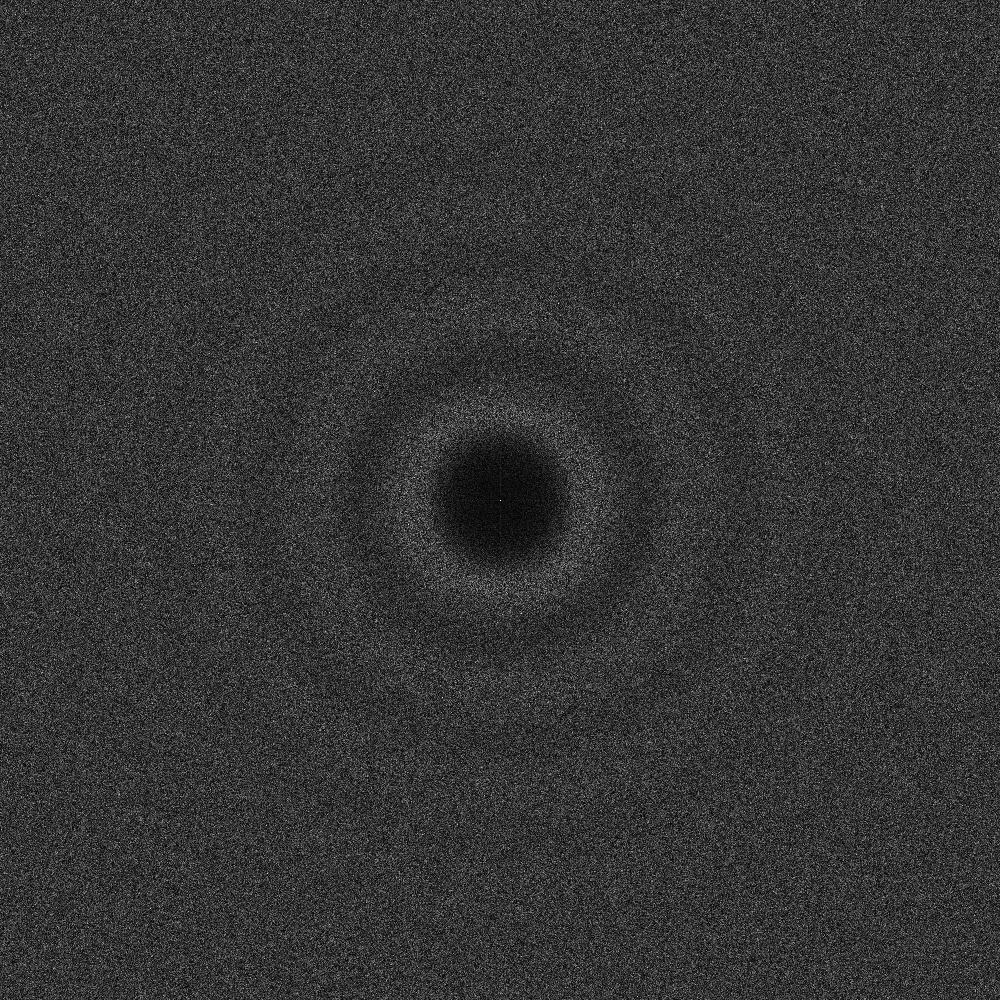
-
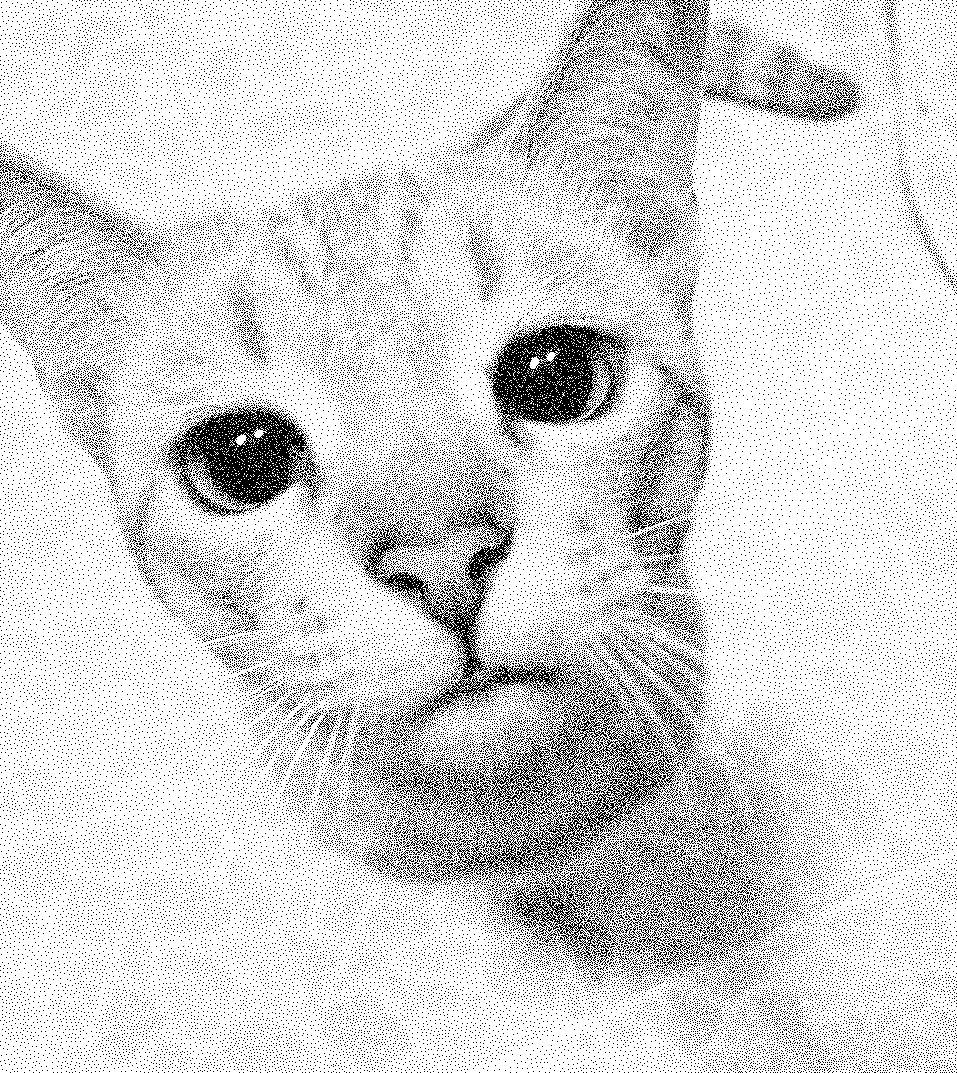
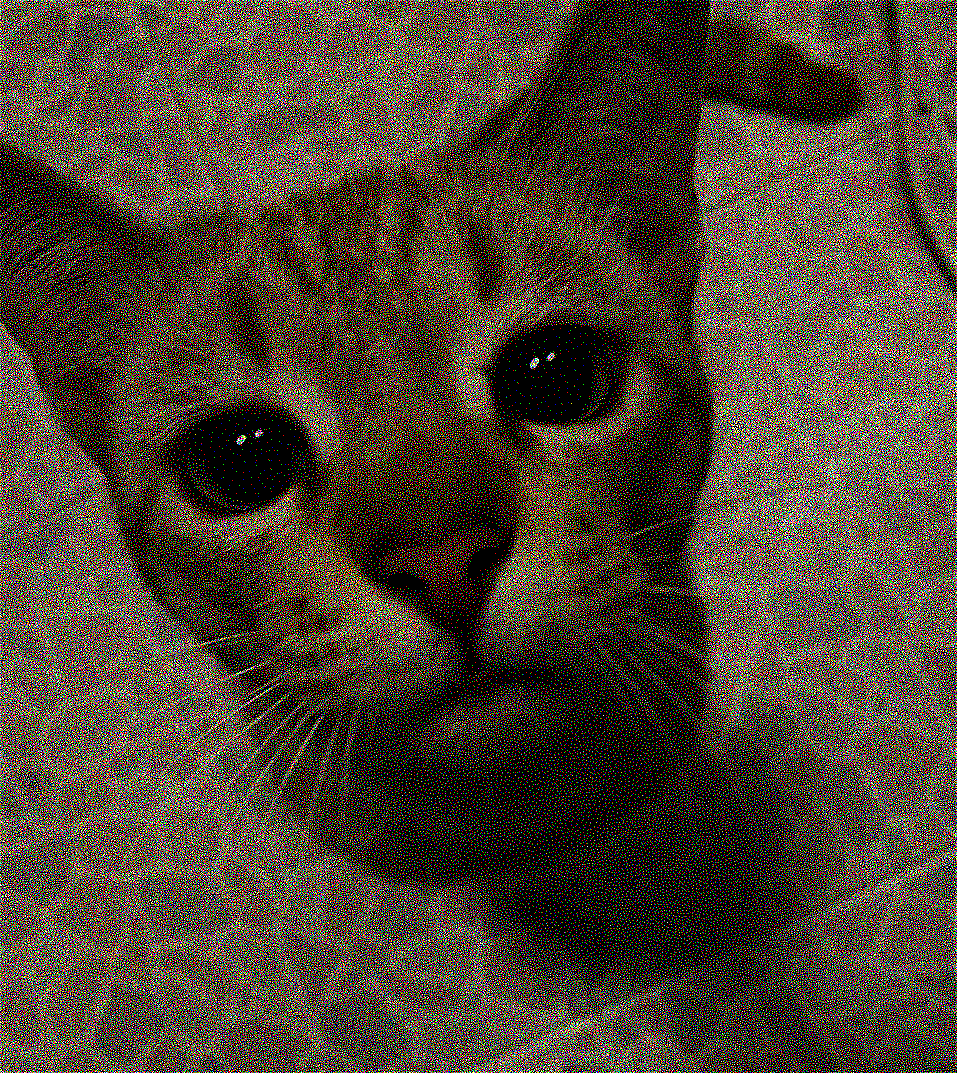
stippleStipple images with [
stipple::stipple_image_luma] and [stipple::stipple_image_rgb].